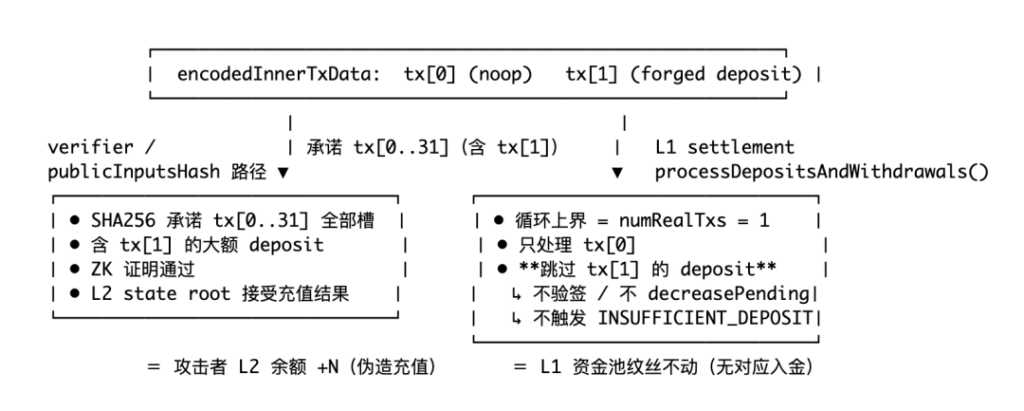
Assets left in a retired protocol can remain exposed even after the service stops operating. In an analysis published on June 15, 2026, SlowMist reported that an attacker had exploited the deprecated Aztec Connect RollupProcessor on Ethereum the previous day, withdrawing assets worth approximately $2.19 million from its pool of legacy user funds. Aztec Connect had been deprecated in March 2024, but the immutable contract still held assets.
Where the checks diverged
SlowMist attributed the exploit to a mismatch between two boundaries in the rollup’s processing. In the calldata it analyzed, numRealTxs was set to 1, while the decoded public-input data covered 32 slots. According to SlowMist, the proof committed to all 32 slots, but the L1 settlement loop checked only the first. The other 31 slots could therefore carry purported deposits without the L1 contract deducting a corresponding pending deposit balance. SlowMist said the expected zero-value constraint on those gap slots was bypassed or not applied.
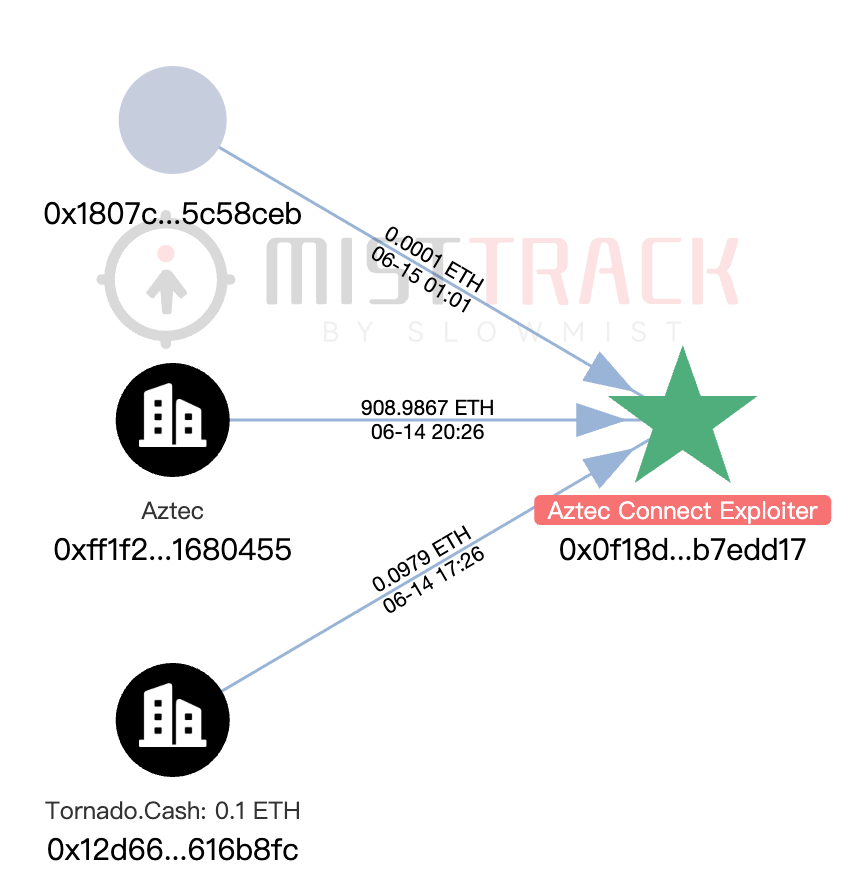
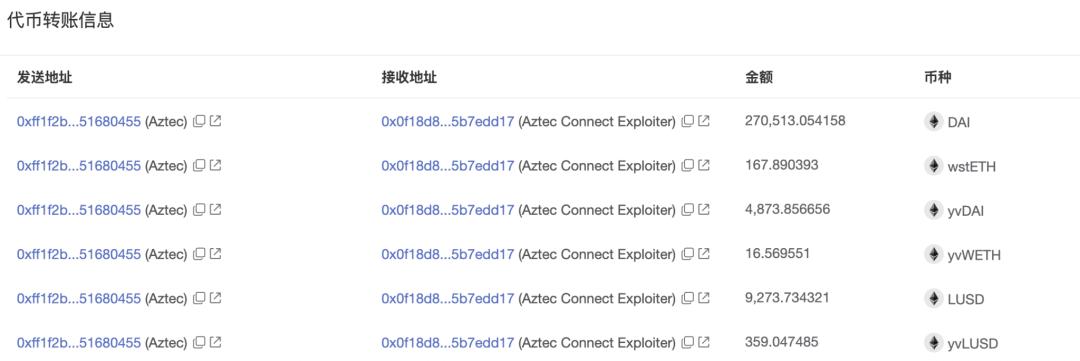
SlowMist reported that a single atomic Ethereum transaction made 14 processRollup() calls: seven rollups credited unsupported balances on L2, followed by seven withdrawals from the L1 pool. It identified the withdrawn assets as 908.987 ETH, 270,513.054 DAI, 167.890 wstETH, 16.570 yvWETH, 4,873.857 yvDAI, 9,273.734 LUSD and 359.047 yvLUSD. The transaction hash cited in its analysis is 0x074ec9317d8336db37e8c348fbdd7515573ff4088239c77ab429f522509aeeb1.
As of SlowMist’s June 15 tracing, it said all the withdrawn assets remained in the attacker-controlled address and had not been moved onward. That was a point-in-time finding, not a claim about their current location.
For holders, the custody distinction is that funds deposited in a protocol depend on that protocol’s contract controls, even after it is deprecated. SlowMist’s recommendation to project teams was to audit the consistency of L1 and L2 checks and to arrange an orderly migration or removal of assets from retired contracts that still hold user funds.